1 Nov 2026
Inside the Data: How Online Casinos Track and Respond to User Behavior Patterns
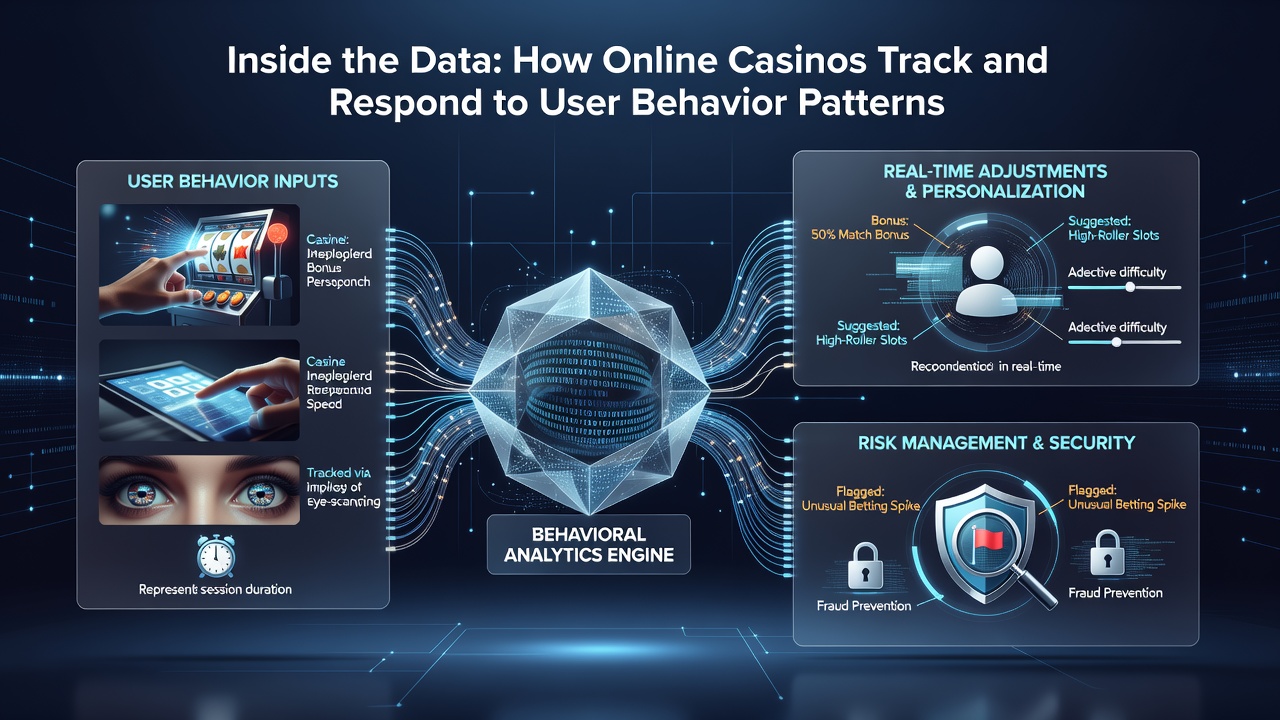
Online casinos gather extensive datasets from player interactions, including session durations, bet sizes, game selections, and login frequencies, then apply analytical tools to interpret these patterns and adjust platform responses accordingly. Systems log every click and wager in real time, which allows operators to build detailed profiles that reveal preferences and risk indicators without requiring direct user input. Data collection starts the moment a player registers, continues through every game round, and feeds into algorithms that process information at scale.
Data Collection Mechanisms
Tracking begins with standard web technologies such as cookies and device fingerprinting that record browser type, location, and time spent on specific pages, while server-side logs capture transaction histories and gameplay metrics. Machine learning models then categorize users into segments based on activity levels, for instance separating high-volume players from occasional visitors, and these classifications update continuously as new data arrives. Researchers at institutions like the University of Nevada have documented how these methods integrate with customer relationship management platforms to maintain accurate records across multiple sessions.
Additional layers include behavioral biometrics that monitor mouse movements, typing rhythms, and navigation speed to detect anomalies such as automated bots or shared accounts, and these signals combine with financial data like deposit patterns and withdrawal requests. Industry reports from the American Gaming Association highlight that major platforms process millions of such data points daily, enabling precise mapping of user journeys from registration through extended play periods.
Analytical Tools and Pattern Recognition
Operators deploy artificial intelligence systems that identify correlations between variables like time of day, game volatility, and spend velocity, which helps predict future actions with measurable accuracy. For example, a sudden increase in bet amounts after a series of losses often triggers automated flags for potential chasing behavior, prompting the system to log the event for later review. Studies published in the Journal of Gambling Studies show these models achieve high precision when trained on historical datasets from regulated markets in North America and Australia.
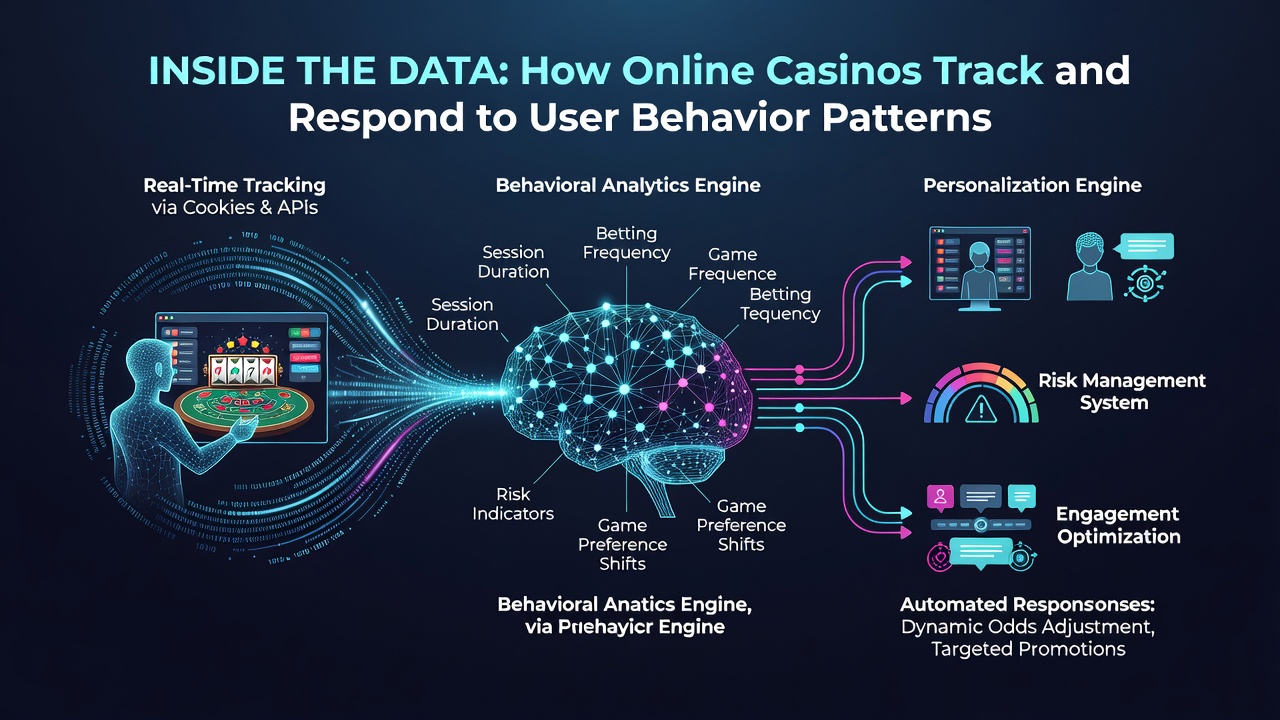
Segmentation algorithms further divide audiences by loyalty metrics and lifetime value estimates, allowing platforms to tailor interface elements such as recommended games or bonus offers to each group. Data from the Australian Institute of Family Studies indicates that such personalization correlates with extended engagement periods, though the same datasets also feed into responsible gaming modules that monitor for signs of problematic play. Real-time dashboards present these insights to compliance teams who can intervene when thresholds are crossed.
Platform Responses to Detected Patterns
When systems recognize elevated risk signals, they initiate automated actions ranging from personalized messages encouraging breaks to temporary limits on deposit amounts, and these interventions occur without human oversight in many cases. Marketing departments receive aggregated insights that guide campaign timing, for instance sending targeted promotions to players who have not logged in recently, while avoiding contact with those showing reduced activity that might indicate disengagement. Observers note that this dual focus on retention and harm reduction operates simultaneously within the same data infrastructure.
Regulatory frameworks in jurisdictions such as New Jersey and Ontario require operators to maintain audit trails of these automated decisions, ensuring transparency when patterns lead to account restrictions or bonus adjustments. Platforms update their models periodically to reflect new player cohorts, and this iterative process incorporates feedback from compliance reports generated after events like the soft openings scheduled for November 2026 in several emerging markets.
Integration with Broader Operations
Behavior tracking connects directly to game development pipelines, where studios analyze aggregate play data to adjust payout structures or introduce new features that align with observed preferences. Financial teams use the same information to forecast revenue streams and allocate resources across different titles, while security departments cross-reference behavioral flags with fraud detection systems. The result is a unified operational view that treats user data as a core asset driving multiple business functions at once.
Conclusion
Online casino platforms rely on continuous data flows and sophisticated analytics to interpret user behavior and trigger targeted responses, creating a closed loop where observed patterns inform both commercial strategies and regulatory compliance measures. These systems evolve alongside technological advances and shifting legal requirements across regions, maintaining detailed records that support everything from personalized experiences to risk management protocols.